Pharmacy technicians are the backbone of medication safety - yet many don’t realize how much depends on their ability to tell the difference between a generic and its brand-name counterpart. In today’s pharmacies, over 90% of prescriptions filled are for generic drugs. That means every time a tech pulls a pill bottle off the shelf, they’re making a decision that could mean the difference between life and death. The problem? Too many technicians still struggle with basic drug name recognition. And it’s not because they’re careless - it’s because the training hasn’t kept up with the pace of change.
Why Generic Drug Knowledge Isn’t Optional
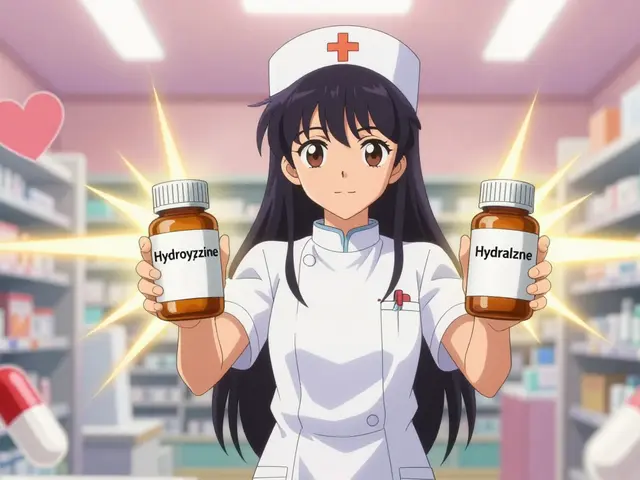
It’s not enough to say, "I know my job." In pharmacy, knowing your job means knowing every drug on the shelf - by its generic name, brand name, strength, and appearance. A single mix-up between hydroxyzine and hydralazine - two look-alike, sound-alike drugs - has led to fatal overdoses. The Institute for Safe Medication Practices (ISMP) reports that 10-15% of all medication errors tied to pharmacy technicians involve generic-brand confusion. That’s not a statistic. That’s a patient who didn’t have to die.
The data doesn’t lie. A 2023 University of Utah study of 1,247 pharmacy technicians found that those scoring below 70% on generic drug identification tests made 3.2 times more dispensing errors than their peers. In community pharmacies, technicians who hit 90%+ accuracy on drug name tests reduced dispensing errors by 22%. That’s not a small improvement - that’s a safety revolution.
What You’re Expected to Know
The standards are clear, even if they vary by setting. The Pharmacy Technician Certification Board (PTCB), which certifies over 500,000 technicians in the U.S., now requires mastery of at least 200 medications by both generic and brand names. Starting with the 2026 exam, 18% of the test will focus on generic drug knowledge - up from 14% just two years ago. That includes knowing:
- Generic and brand names of the top 200 most prescribed drugs
- Drug classifications (e.g., statin, SSRI, ACE inhibitor)
- Common strengths and dosage forms (tablet, capsule, liquid)
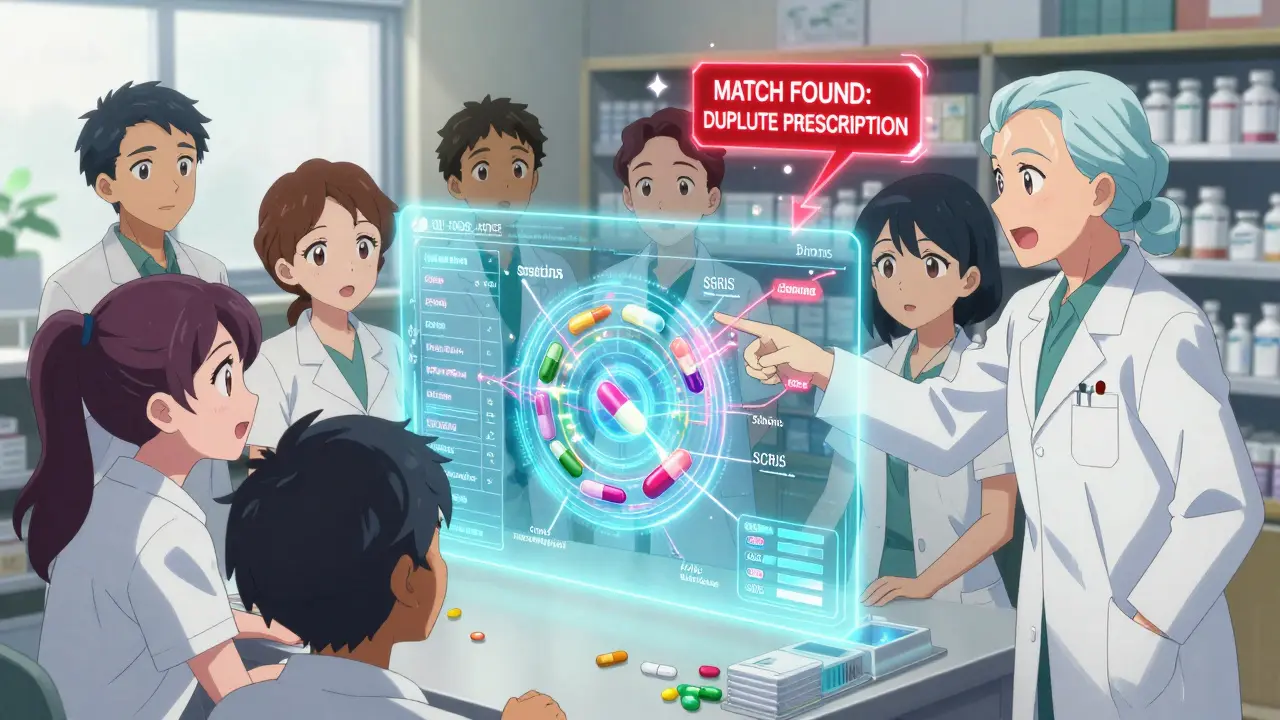
- Therapeutic duplication risks - like prescribing two different drugs that do the same thing
The Department of Veterans Affairs (VA) goes even further. Their technicians must identify 100% of Schedule II-V controlled substances by name - no exceptions. And they’re now tested quarterly on 100 randomly selected drugs from a list of 300 high-use medications. If you miss even one, you’re pulled for retraining.
It’s not just about memorizing names. It’s about understanding why a drug is prescribed. A technician who knows that metformin is a biguanide for type 2 diabetes can spot a duplicate prescription faster than one who just sees "Glucophage" on the label.
How Training Standards Differ Across Settings
Not all pharmacy techs are trained the same. Community pharmacies often rely on the PTCB’s 200-drug list. Hospitals, guided by ASHP standards, drill deeper - especially on high-alert drugs like insulin, heparin, and warfarin. The VA requires expert-level knowledge, while some states set their own rules. California demands familiarity with 180 drugs. Texas? Only 120. That creates real problems when a tech moves from one state to another.
Even certification exams aren’t aligned. The PTCB’s CPhT exam covers 200+ drugs. The NHA’s ExCPT exam? Only 150. That’s a 25% gap in expected knowledge. A tech certified through one path might walk into a job expecting to know 200 drugs - and realize they’re missing half the list.
Some states are stepping up. Minnesota requires technicians to understand formulary processes - not just names, but why a generic substitution is allowed or denied. Utah mandates hands-on competency: "Locate the generic version of this drug on the shelf." That’s not theory. That’s real-world skill.
The Real Challenge: Drugs That Keep Changing
Here’s the kicker: the list doesn’t stay still. About 15-20 new generic drugs hit the market every month. A drug you learned last year might now be made by a different manufacturer - with a different color, shape, or imprint. One Reddit user, "HospitalTech89," posted in January 2025: "I’ve had to relearn 15 drugs in the past year alone."
And it’s not just new drugs. Brand names change. Generic manufacturers switch. A pill that was once a white oval might now be a blue capsule. If your training only taught you to memorize images, you’re already behind.
That’s why rote memorization fails. The most effective techs don’t just memorize. They group drugs by:
- Therapeutic class (e.g., beta-blockers, statins)
- Appearance (color, shape, imprint code)
- Common use (e.g., diabetes meds, blood pressure drugs)
One popular method shared by "GenericGuru" on Reddit: "I group drugs by color and shape. Works better than flashcards for visual learners." A 2025 Pharmacy Times poll found 68% of technicians who used this method scored higher on exams.
How to Train Effectively - Real Strategies That Work
Most training programs give techs 60-80 hours to master drug names. But how you spend those hours matters more than how many you log.
Here’s what works:
- Start with the top 100 drugs. These make up over 60% of all prescriptions. Learn them cold.
- Use flashcards - but not just paper ones. Apps like RxTechExam and PTCBTestPrep update their databases monthly to reflect new generics.
- Study by class. Learn all the statins together: atorvastatin, rosuvastatin, simvastatin. Notice patterns. That helps you remember them faster.
- Practice with real bottles. If your pharmacy lets you, spend 15 minutes a day pulling random prescriptions and naming the generic. Do this daily for 30 days.
- Join a study group. 78% of techs say generic drugs were the hardest part of their certification. You’re not alone.
Walmart’s 2024 AI-powered training tool cut onboarding time by 35% and improved accuracy by 22%. It doesn’t just quiz you - it shows you how the drug looks, how it’s labeled, and how it’s used. That’s the future.
The Cost of Getting It Wrong
Every error has a price. The Institute for Safe Medication Practices estimates that inadequate generic drug knowledge contributes to 12% of all medication errors reported - costing the U.S. healthcare system $2.4 billion a year. That’s not just money. It’s hospital stays. It’s lost work. It’s families grieving.
And it’s preventable. A 2024 Johns Hopkins study found that barcode scanning reduced generic substitution errors by 89%. But here’s the catch: techs still had to recognize when the barcode failed. Technology helps - but it doesn’t replace knowledge.
The VA, Medicare Part D, and major pharmacy chains now require annual competency checks. If you can’t prove you know your generics, you’re not allowed to dispense. Period.
What’s Next? The Future of Generic Drug Training
The standards are evolving. The PTCB is adding biosimilars to the 2026 exam. The VA is testing on 300 drugs quarterly. ASHP now includes pharmacogenomics - how a patient’s genes affect how they respond to a generic drug - as a future competency.
By 2030, experts predict training will shift from memorizing names to understanding drug classes and mechanisms. Why? Because if you know that a drug is a calcium channel blocker, you can guess its use - even if the brand name changes. That’s real competency.
But until then, the job is simple: know your drugs. Know them cold. Know them faster than you know your own name. Because when a patient hands you a prescription, they’re trusting you to get it right. And they shouldn’t have to wonder if you did.