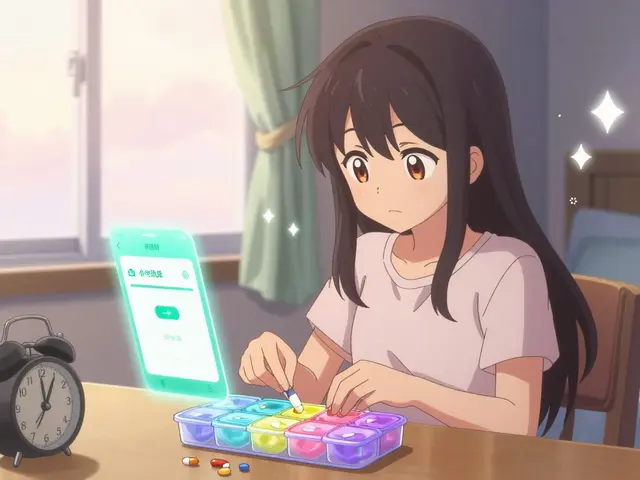
Teens are growing up fast. One day they’re asking you to help them remember their asthma inhaler. The next, they’re heading off to college - and you’re supposed to trust them with their entire medication routine. That’s not just a leap of faith. It’s a necessary skill. And if you wait until they’re out of the house to start teaching them, you’re already behind.
Start Early - Before It’s an Emergency
Don’t wait until your teen is about to leave for college to hand them a pill bottle and say, "You got this." By then, it’s too late. The best time to begin teaching medication management is in 10th grade. That’s when most teens are old enough to understand why they take their meds, but still close enough to home for you to guide them safely. According to the American Academy of Pediatrics, teens who learn to manage their medications before leaving home are less likely to miss doses, misuse prescriptions, or end up in the ER. The goal isn’t to make them perfect. It’s to make them responsible. And that takes time.Teach Them What They’re Taking - And Why
Many teens don’t know what their medications are for. They just know they’re supposed to take them. That’s dangerous. If your teen is on ADHD medication, for example, they need to understand it’s not a study enhancer - it’s a controlled substance that can cause heart problems if misused. If they’re on antibiotics, they need to know skipping doses can lead to resistant infections. Take them to the pharmacy with you. Have them read the label out loud. Ask them: "What does this do?" "When should you take it?" "What happens if you miss a dose?" If they can’t answer, go back to the doctor and ask for a simple explanation in plain language. Use the same words they’ll hear from their provider. The DEA reports that 70% of teens believe prescription drugs are safer than illegal ones. That’s not just wrong - it’s deadly. Opioids, benzodiazepines, and stimulants are the most commonly misused prescription drugs among teens. They’re not harmless. They’re not candy. They’re medicine - and they can kill if used incorrectly.Build a Routine That Sticks
Consistency beats willpower every time. Teens won’t remember to take their meds because they "remembered." They’ll take them because it’s part of their daily rhythm. Pair medication times with habits they already do. Brushing teeth? Take your pill after. Eating breakfast? Take it with your cereal. Going to bed? Take your nighttime meds right before you turn off the light. A study from the University of Rochester found that teens who linked their meds to existing routines were 37% more likely to stay on schedule than those who relied on memory alone. That’s huge. Use alarms. Not just any alarms - multiple ones. Set a phone alarm for morning, afternoon, and night. Use apps like Medisafe or MyMeds. These apps send reminders, track doses, and even alert you if your teen misses a pill. Studies show teen users of these apps improve adherence by 28%.Use Tools - Not Just Memory
A pill organizer isn’t just for seniors. It’s essential for teens. Get one with compartments for morning, afternoon, evening, and night. Fill it weekly. Let them see their progress. Checking off a box feels good. Missing one feels like a failure - and that motivates them to do better. Keep a simple log. A notebook, a Google Doc, or even a notes app. They write down: "Took my ADHD med - 8 a.m." "Didn’t take my asthma inhaler - forgot." No judgment. Just facts. This builds self-awareness. For controlled substances - opioids, benzodiazepines, strong stimulants - store them in a locked box. Not just in a drawer. A lockbox. The Aetna Health Guide says even responsible teens shouldn’t be trusted with easy access to these drugs. Why? Because peer pressure, stress, or curiosity can override good judgment. And once it’s gone, it’s hard to track.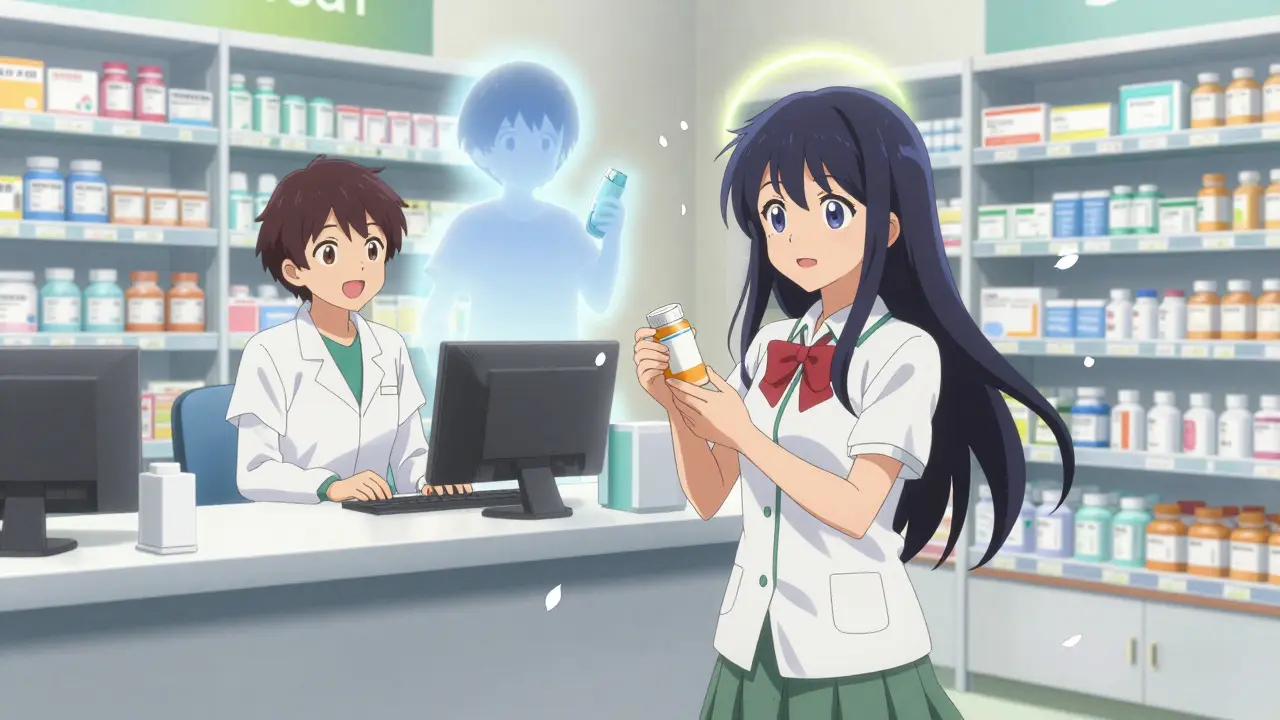
Practice Communication - With Doctors and Pharmacists
Teens need to learn how to talk to their own doctors. Not just say, "I feel fine." But ask: "What side effects should I watch for?" "What if I skip a dose?" "Can I take this with my other meds?" Start small. In the next appointment, let your teen ask one question. Then two. Soon, they’ll lead the conversation. This isn’t about being rude to the doctor. It’s about becoming their own health advocate. Also, teach them how to refill prescriptions. Most pharmacies let teens create their own accounts at age 13 or 14, thanks to the CURES Act. Let them do it. Walk them through the app. Show them how to check delivery status. If they miss a refill, don’t yell. Ask: "What happened? How can we fix it?"Involve Peers - But Set Boundaries
Teens listen to their friends more than their parents. That’s not a flaw - it’s biology. Use it. Encourage them to find one trusted friend who also manages medication. They can remind each other. Share tips. Celebrate streaks. Research in the Journal of Adolescent Health shows teens with a medication buddy have 22% higher adherence. But set rules. No sharing pills. No trading. Ever. Even if it’s "just one pill." That’s illegal. That’s dangerous. That’s how addiction starts. Programs like Generation Rx’s "My Generation Rx" teach teens how to say no - and how to walk away. Schools using this curriculum saw a 33% drop in prescription drug misuse over two years.Gradually Let Go - But Stay Involved
This isn’t a switch you flip. It’s a dimmer. Start with full supervision. You hand them the pills. You check the log. You confirm they took it. Move to text check-ins. "Did you take your med today?" "Just confirming you got your refill." Then, weekly check-ins. Sit down every Sunday. Look at the pill box. Review the log. Ask: "Any problems?" "Anything confusing?" By senior year, it’s monthly spot-checks. No drama. Just a quick glance at the bottle count. If the pills are missing faster than they should be - that’s a red flag. Don’t accuse. Ask: "I noticed the bottle’s empty sooner. What’s going on?" And never, ever stop asking: "How are you feeling?" Side effects matter. Mood changes matter. Fatigue, nausea, dizziness - these aren’t "just part of being a teen." They could be signs their meds need adjusting.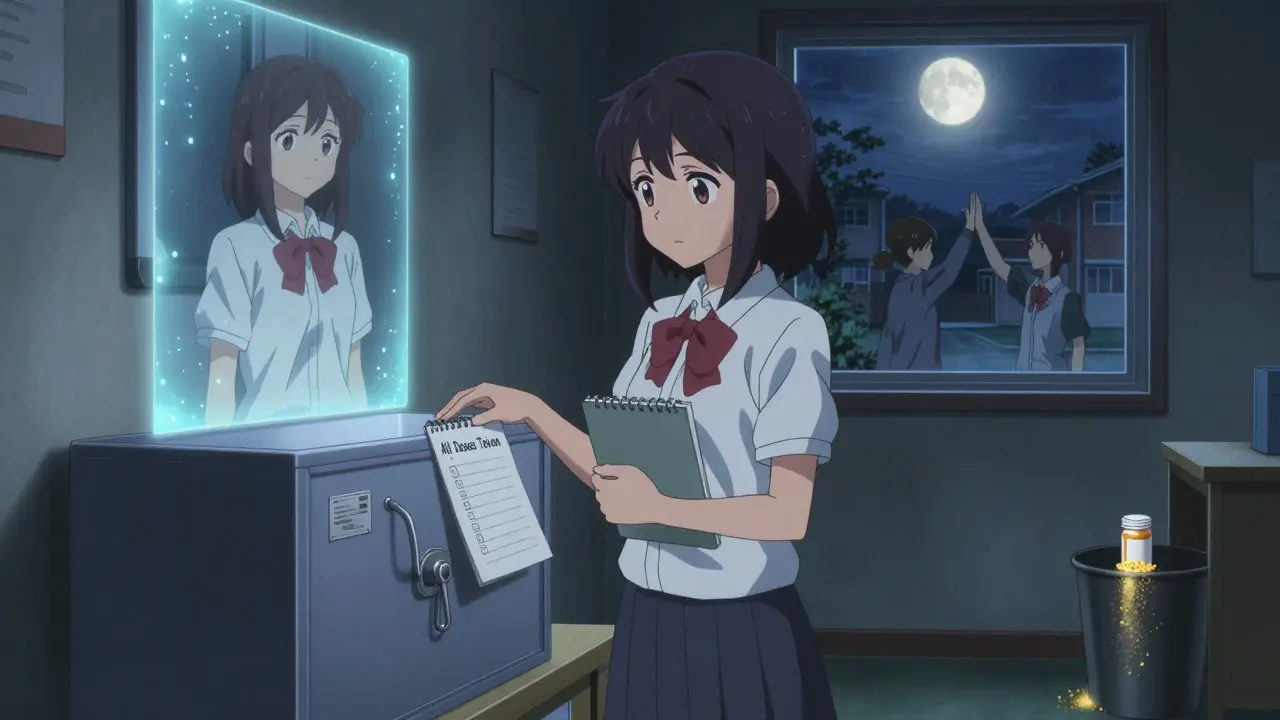
Dispose of Unused Meds - Immediately
Old antibiotics? Leftover painkillers? Empty bottles? Don’t keep them. Don’t flush them. Don’t toss them in the trash. Take them to a pharmacy drop box. There are over 14,000 locations across the U.S. that accept unused prescriptions. The DEA runs these programs. They’re free. They’re safe. Why? Because unused pills are a magnet for teens. Friends borrow them. Siblings take them. Visitors steal them. A 2022 DEA report found that 50% of teens who misuse prescription drugs get them from family medicine cabinets. Clean out your medicine cabinet every six months. Make it a habit. Teach your teen to do the same.What If They Mess Up?
They will. Everyone does. Missed a dose? Forgot to refill? Took an extra pill by accident? Don’t punish. Don’t shame. Don’t take away their meds. Ask: "What happened?" Then: "What can we do differently?" This is how learning works. Mistakes aren’t failures - they’re feedback. If they’re struggling, talk to their doctor. Maybe the schedule doesn’t fit their life. Maybe the pill is too big. Maybe they need a different form - a liquid, a patch, a once-daily version. The goal isn’t perfection. It’s progress.What’s Next?
By senior year, your teen should be able to:- Explain what each medication does and why they take it
- Use a pill organizer and set daily alarms
- Request refills independently
- Identify side effects and know when to call their doctor
- Refuse offers to share or use someone else’s meds
- Dispose of unused medications safely
At what age should I start teaching my teen to manage their own medications?
Start in 10th grade - around age 15 or 16. This gives them time to build skills before college or living on their own. The American Academy of Pediatrics recommends beginning the transition during junior year of high school to ensure they’re ready for independence.
What are the most dangerous prescription drugs for teens to misuse?
Opioids (like oxycodone), stimulants (like Adderall), and benzodiazepines (like Xanax) are the most commonly misused and dangerous. These drugs can cause addiction, respiratory failure, and death, especially when taken without a prescription or mixed with alcohol or other substances. The DEA reports they’re the top three categories involved in teen prescription drug overdoses.
Are medication apps safe and effective for teens?
Yes - but only if they’re clinically validated. Apps like Medisafe and MyMeds have been shown to improve teen adherence by 28%. However, a 2023 Mayo Clinic review found only 22% of available apps have been tested for safety or effectiveness in adolescents. Stick to apps recommended by your teen’s doctor or pharmacy.
Should I lock up my teen’s medications?
Yes - if they’re taking controlled substances like opioids, strong stimulants, or benzodiazepines. Aetna’s 2021 guidelines recommend locking these in a secure box, even if your teen seems responsible. Unused pills in open cabinets are a major source of teen misuse, according to DEA data.
What should I do if I find my teen is sharing their prescriptions?
Don’t panic. Talk to them calmly. Ask why they’re sharing - is it peer pressure? Stress? A belief that it’s harmless? Then contact their doctor. Sharing prescription drugs is illegal and dangerous. Many teens don’t realize it’s a crime. Use this as a teaching moment, not just a punishment. Consider enrolling them in a prevention program like Generation Rx.
How can I tell if my teen is misusing their medication?
Watch for sudden mood swings, increased secrecy, declining grades, loss of interest in activities, or changes in sleep or appetite. If pills disappear faster than they should, or your teen is asking for refills too often, investigate. Don’t assume the worst - but don’t ignore the signs. A simple pill count and open conversation can reveal the truth.
Can teens access their own medical records and prescriptions?
Yes. Under the 2020 CURES Act, teens can access their electronic health records, including medication lists, starting at age 13. Many health systems let them create their own patient portal accounts. This empowers them to track refills, view instructions, and communicate with providers - key steps toward independence.