Oral Mucositis Prevention Guide
Personalized care and prevention strategies based on your treatment
Your Recommended Strategy
Universal Daily Habits (For Everyone):
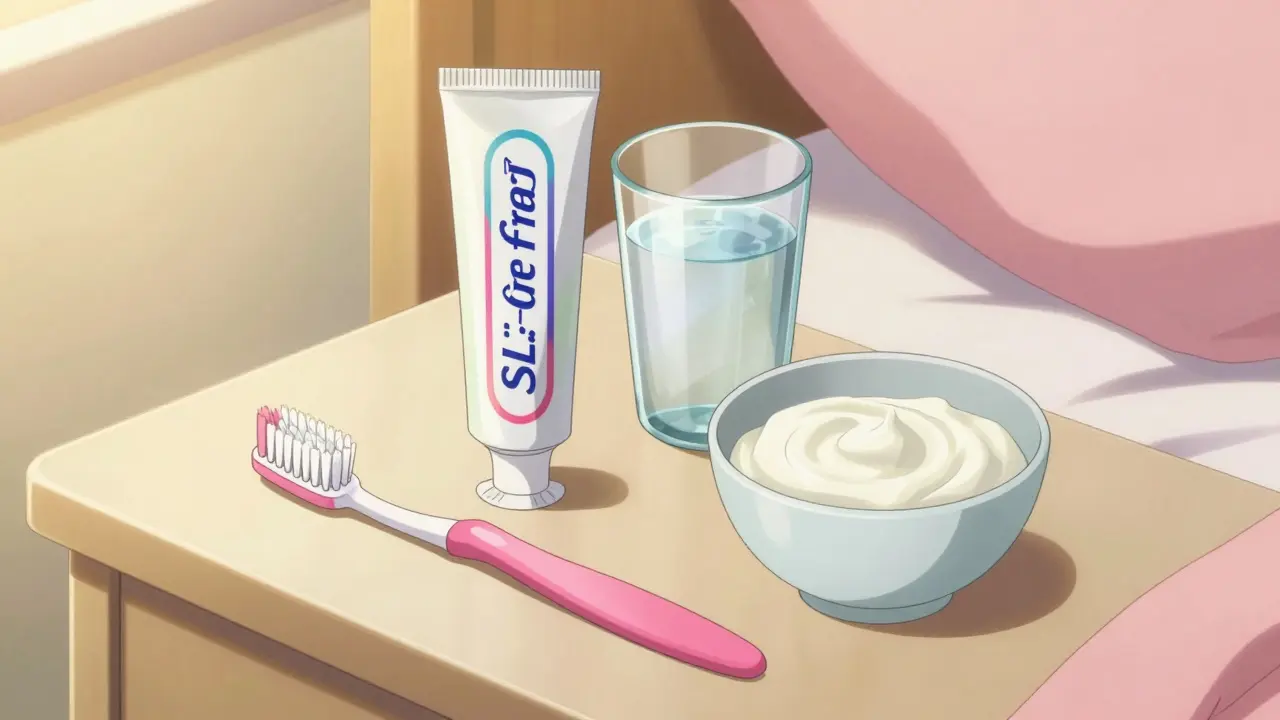
- ✅ Use soft-bristle toothbrush (<0.008")
- ✅ Switch to SLS-free toothpaste
- ✅ Avoid alcohol-based mouthwashes
- ✅ Baking soda rinse (1 tsp/8oz water)
- ✅ Soft, moist foods (yogurt, smoothies)
- ✅ Use a straw for liquids
The medical term for this is oral mucositis is a predictable inflammatory reaction where the oral mucosa becomes damaged, leading to painful ulcerations. It is most common in patients receiving chemotherapy or radiotherapy, with some treatments causing this in up to 100% of patients. The real challenge is that once these sores appear, they are much harder to treat than they are to prevent. If you're starting a treatment plan, the goal isn't just to react to the pain, but to stop the sores from ever forming.
The a-to-z of preventing mouth sores
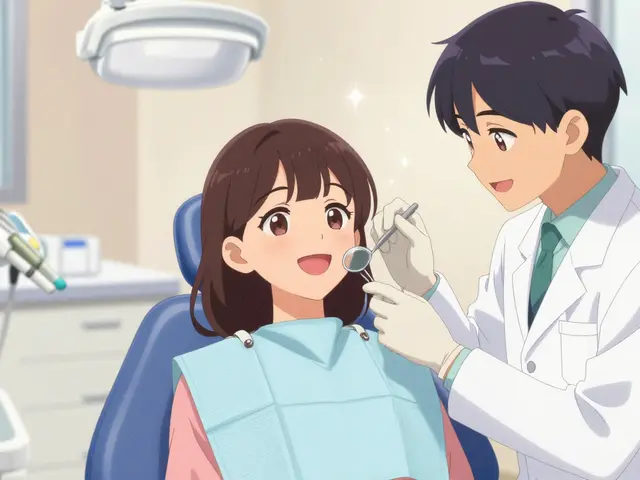
Prevention is the gold standard here. If you wait until you see a white patch or feel a sting, you're already playing catch-up. The most effective way to start is with a professional dental check-up about two to four weeks before your first dose of medication. This isn't just for a cleaning; it's to remove any existing infections or sharp edges on teeth that could trigger a sore.
Depending on your specific medication, different strategies work better. For those receiving radiotherapy, Benzydamine hydrochloride is an anti-inflammatory mouthwash that can reduce the chance of severe sores by about 34%. It's often the first choice because it's affordable and effective, though if you're sensitive to aspirin, you should skip it.
For patients undergoing high-dose chemotherapy, specifically for stem cell transplants, there is a more powerful option. Palifermin is a recombinant human keratinocyte growth factor administered intravenously to help the mouth lining recover. While it's incredibly effective-dropping severe cases from 63% to 20% in some studies-it comes with a steep price tag, often costing over $10,000 per course, which makes it less accessible for some.
| Method | Best For | Effectiveness | Key Downside |
|---|---|---|---|
| Benzydamine Wash | Radiotherapy | 34% risk reduction | Stinging on application |
| Cryotherapy (Ice) | Specific Chemos (5-FU) | 50% risk reduction | Extreme cold sensitivity |
| Palifermin | Stem Cell Transplant | Very High | Extremely high cost |
| Chlorhexidine | General Hygiene | Modest (15% reduction) | Changes taste/stains teeth |
Using cold therapy to shield your mouth
One of the most interesting tools in the kit is Cryotherapy is the use of ice chips or cold popsicles to constrict blood vessels in the mouth during chemotherapy infusion. The logic is simple: by cooling the mouth, you reduce the amount of chemotherapy drug that reaches the oral tissues, which protects the cells from damage.
But timing is everything. This doesn't work if you just eat a popsicle whenever you feel like it. You need to suck on ice chips continuously for 30 minutes, starting exactly 5 minutes before the infusion of drugs like melphalan or 5-fluorouracil begins. If you stop too early or start too late, the protection drops significantly. While many patients find this incredibly helpful, some struggle with the intense cold, which can feel overwhelming over a half-hour period.

Daily oral care and hygiene habits
Your daily routine needs to shift from "deep cleaning" to "gentle preservation." The goal is to avoid any further trauma to the oral mucosa. Use a soft-bristle toothbrush-look for ones with a bristle diameter of 0.008 inches or smaller. Some people even find that using a children's toothbrush is less irritating because the head is smaller and the bristles are softer.
You should also look at your toothpaste. Many standard toothpastes contain sodium lauryl sulfate (SLS), a foaming agent that can dry out the mouth and make sores worse. Switching to an SLS-free toothpaste is a small change that makes a big difference. For rinsing, skip the alcohol-based mouthwashes, which burn like fire on open sores. Instead, try a simple baking soda rinse (one teaspoon in eight ounces of water) after meals to neutralize acid and keep the mouth clean.
If your mouth feels like a desert-a condition known as xerostomia-you'll need artificial saliva. Products like Biotene can help keep the tissues lubricated. In more severe cases, doctors might prescribe pilocarpine tablets to actually stimulate your salivary glands, which can increase flow by nearly 50%.
Managing the pain when sores appear
Despite your best efforts, some sores might still crop up. When that happens, the focus shifts to pain management and protecting the area so it can heal. Gelclair is a mucoadhesive oral gel that creates a physical barrier over the ulcer to block pain signals. Users often describe it as a "liquid bandage" for the mouth. It provides relief for a few hours, though some find the slimy texture a bit distracting when they try to talk.
For more intense pain, a dexamethasone mouthwash may be prescribed. This steroid-based rinse helps reduce inflammation and can significantly lower pain scores. Another option some patients use is Glutamine, an amino acid supplement that can be swished in the mouth and swallowed. Some trials suggest it reduces the duration of sores, particularly in head and neck cancer patients, though the evidence isn't as strong as it is for benzydamine.
Common pitfalls and things to avoid
When you're in pain, it's tempting to try anything, but some common "fixes" can actually do more harm. For example, avoid over-the-counter numbing gels containing benzocaine. While they provide a quick fix, they can cause allergic reactions or, in rare cases, a dangerous condition called methemoglobinemia.
Also, be careful with the overuse of chlorhexidine. While it's a great antiseptic, using it for too long can lead to brown stains on the teeth (hyperpigmentation) and can mess with your sense of taste, making food taste metallic or bland. This is why many experts now suggest using it sparingly rather than as a primary preventative tool.
Finally, don't let anyone convince you that taking systemic antibiotics will prevent mouth sores. Not only does it not work for prevention, but it actually increases the risk of getting a secondary infection like Clostridium difficile, which can lead to severe diarrhea and a much longer hospital stay.
How do I know if my mouth sores are from my medication?
Medication-induced sores usually appear as red patches or white ulcers that emerge shortly after a cycle of chemotherapy or radiation. Unlike a cold sore (which is viral) or a canker sore (which might be stress-related), these often cover larger areas of the mouth and align with the timing of your treatment. Always report new sores to your oncology team to determine the grade of severity.
Can I use a normal mouthwash if I have ulcers?
Avoid any mouthwash that contains alcohol, as it will dry out the mucosa and cause intense burning. Stick to the saline or baking soda rinses recommended by your doctor. If you are using a prescription wash like Benzydamine, follow the specific timing-usually 15 minutes before meals-to ensure it works effectively.
Why is the ice chip method only for some chemotherapies?
Cryotherapy works by narrowing blood vessels (vasoconstriction) to prevent the drug from entering the mouth tissues. This is highly effective for drugs given in short, concentrated bursts like melphalan or 5-FU. However, for drugs that are infused slowly over many hours or days, the ice can't keep the vessels constricted long enough to make a meaningful difference.
What is the best way to eat when my mouth is sore?
Stick to soft, moist foods like mashed potatoes, yogurt, or smoothies. Avoid anything spicy, acidic (like citrus or tomatoes), or crunchy (like toast or chips), as these act like sandpaper on the ulcers. Using a straw can help you bypass the most sensitive areas of the mouth.
Is it normal for the mouthwash to sting?
Yes, many patients report a stinging sensation when using Benzydamine or other therapeutic rinses. While uncomfortable, this is common. If the stinging is unbearable or causes a rash, contact your provider, as you may have a sensitivity to the active ingredients.
Next steps for different scenarios
If you are just starting treatment: Schedule a dental cleaning now. Buy an SLS-free toothpaste and a pack of extra-soft toothbrushes. Ask your doctor if Benzydamine or a cryotherapy protocol is right for your specific drug regimen.
If you already have severe sores: Focus on pain management. Try a mucoadhesive gel like Gelclair for immediate relief and ask your doctor about steroid rinses. Keep a strict diary of what foods you can tolerate and use artificial saliva to manage dryness.
If you are a caregiver: Help the patient maintain a strict rinsing schedule. Since the timing of ice chips and rinses is critical for efficacy, setting alarms on a phone can ensure no doses are missed during the infusion process.