
Quercetin Medication Interaction Checker
Check Your Medication Risk
Enter your medications to see if quercetin supplements could dangerously interact with them. This tool is based on clinical evidence about enzyme inhibition.
Interaction Assessment
Important: This tool shows potential interactions based on known pharmacology. For specific guidance, consult your healthcare provider.
Every year, millions of people take quercetin supplements hoping to reduce inflammation, fight allergies, or boost immunity. But what they don’t realize is that this popular flavonoid might be quietly changing how their medications work - sometimes dangerously so. If you're on blood thinners, high blood pressure meds, antidepressants, or cancer drugs, taking quercetin could raise your drug levels by 30%, 50%, or even triple them. This isn't theory. It's documented in clinical studies and flagged by health agencies worldwide.
What Quercetin Does to Your Liver’s Drug-Metabolizing System
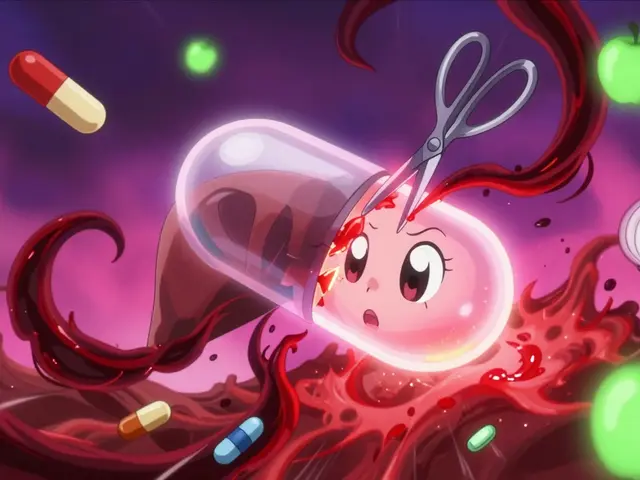
Your body breaks down most medications using enzymes in the liver - especially a family called cytochrome P450, or CYP enzymes. Think of them as tiny molecular scissors that cut drugs into pieces so your body can flush them out. Quercetin doesn’t just sit there. It slams into these scissors and jams them.
Research shows quercetin strongly blocks CYP2D6, moderately blocks CYP3A4 and CYP2C19, and also interferes with transporter proteins like OATP1B1 and BCRP that move drugs into and out of cells. These are the same enzymes that handle more than half of all prescription drugs. When quercetin inhibits them, your body can’t clear the medication fast enough. That means the drug builds up in your bloodstream - like pouring water into a sink with a clogged drain.
One study using human liver tissue found that at just 10 micromolar concentration (easily reached with a 500 mg supplement), quercetin blocked up to 85% of CYP2D6 activity. That’s stronger than some prescription inhibitors. And it’s not just one enzyme. Quercetin hits multiple targets at once. That’s why it’s especially risky if you’re taking more than one medication.
Drugs That Can Become Dangerous With Quercetin
Not all drugs are affected the same way. But if your medication is processed by CYP3A4, CYP2D6, or CYP2C19, you’re at risk. Here are the most common and dangerous ones:
- Warfarin and other blood thinners: Quercetin can raise INR levels by 0.8 to 1.5 points - enough to cause uncontrolled bleeding. Case reports show patients on warfarin needing emergency hospitalization after starting quercetin.
- Cyclosporine and tacrolimus: These transplant drugs have a razor-thin safety window. Quercetin can spike their levels by 30-50%, leading to kidney damage or nerve toxicity.
- Abemaciclib, abrocitinib: Cancer and autoimmune drugs. Quercetin increases their blood levels by 25-50%, raising the risk of severe fatigue, diarrhea, and low blood counts.
- Statins like simvastatin: Higher levels mean increased risk of muscle breakdown (rhabdomyolysis), which can lead to kidney failure.
- SSRIs like fluoxetine or sertraline: These are metabolized by CYP2D6. Quercetin can cause serotonin buildup, leading to agitation, confusion, or even serotonin syndrome.
- DOACs like apixaban and rivaroxaban: Even though they’re newer than warfarin, quercetin still increases their levels by 20-35% by blocking transporter proteins - not just enzymes.
Even acetaminophen (Tylenol) is affected. Quercetin can increase its concentration by 20-30%, which sounds harmless - until you consider that high doses already cause liver damage. Add quercetin on top, and the risk climbs.
Why Food Doesn’t Do This - But Supplements Do
You eat apples, onions, and berries every day. They contain quercetin. But you don’t see people bleeding out from eating an apple with their blood thinner. Why?
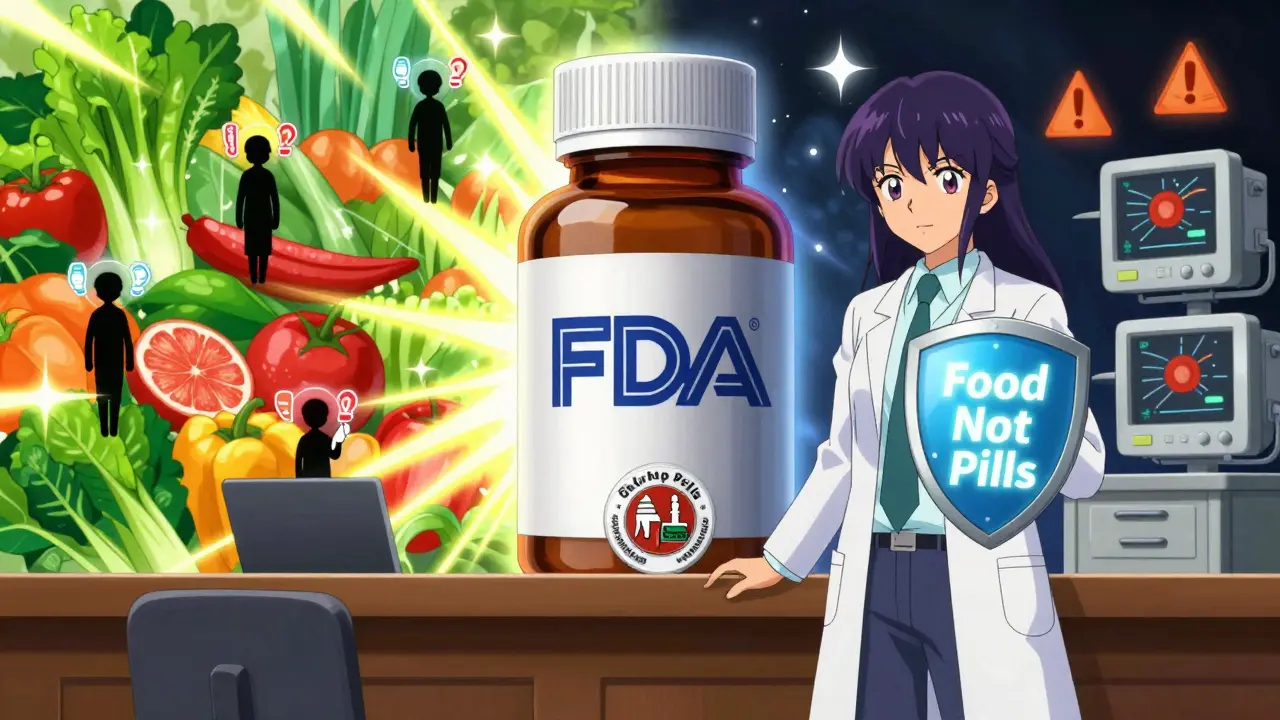
Because the quercetin in food is bound to sugar molecules (glycosides), like rutin. Your body absorbs less than 10% of it. Plus, you get small amounts spread through the day.
Supplements are different. A typical capsule has 500 mg of pure quercetin aglycone - the unbound, highly active form. That’s 100 to 500 times more than you’d get from food. And people take it all at once. That’s enough to overwhelm your liver’s enzymes.
Studies show quercetin glycosides (like rutin) cause only 30-40% of the inhibition that pure quercetin does. So if you’re getting quercetin from food, you’re safe. If you’re popping pills, you’re playing Russian roulette with your meds.
Who’s Most at Risk?
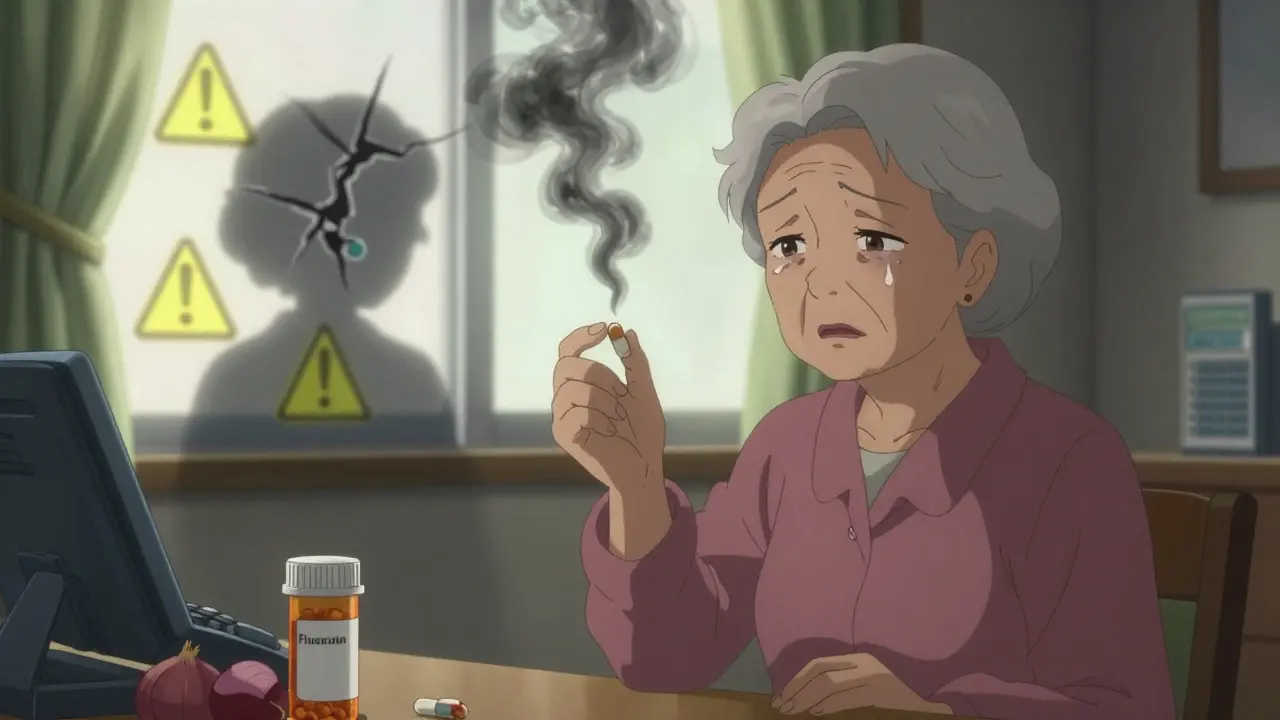
Not everyone who takes quercetin will have a problem. But certain people are far more vulnerable:
- People over 65: Their liver and kidneys clear quercetin 25-40% slower than younger adults. That means it builds up faster and stays longer.
- Those on multiple medications: Polypharmacy is common in older adults. If you’re on five or more drugs, the chance that one of them is affected by quercetin jumps dramatically.
- People with liver disease: If your liver is already struggling, adding a potent inhibitor like quercetin can push it over the edge.
- Patients on narrow therapeutic index drugs: These are meds where the difference between a helpful dose and a toxic one is tiny. Warfarin, digoxin, cyclosporine - they leave no room for error.
A 2021 study from UCSF found that 1 in 4 adults over 65 taking quercetin supplements were also on at least one high-risk medication. Alarmingly, 92% of them didn’t tell their doctor.
What the Experts Say
The European Food Safety Authority (EFSA) warned in 2018 that doses over 1,000 mg/day of quercetin pose "potential concerns" for drug interactions. The FDA called quercetin a "dietary supplement of concern" in 2020 and now requires new drug trials to test for its effects.
Dr. Basheer Kerem from Hebrew University says intestinal CYP3A4 inhibition - where quercetin hits drugs before they even reach the liver - may be even more dangerous than liver effects. That’s because it happens right after you swallow the pill.
And here’s the kicker: most supplement labels don’t mention this risk. The FDA has issued 17 warning letters to quercetin brands for making false health claims, but none have forced them to add interaction warnings. That’s because under DSHEA (1994), supplement makers don’t need to prove safety before selling.
What You Should Do
If you’re taking any prescription medication, here’s what to do:
- Stop taking quercetin supplements immediately if you’re on blood thinners, transplant meds, cancer drugs, or antidepressants.
- Talk to your pharmacist. They have access to drug interaction databases and can check your exact meds. Don’t rely on your doctor - they may not know about supplements.
- If you must take quercetin, keep the dose under 250 mg/day and separate it from your meds by at least 6 hours. Studies show this cuts interaction risk by 30-50%.
- Never start or stop a supplement without telling your doctor. Even "natural" doesn’t mean safe.
- Watch for signs of overdose: unusual bruising, dizziness, extreme fatigue, muscle pain, dark urine, confusion. If you feel off after starting quercetin, get tested.
The bottom line: Quercetin isn’t the villain. It’s a powerful plant compound with real benefits. But when you take it in pill form, you’re no longer eating food - you’re taking a drug. And drugs interact with other drugs. Always.
What’s Coming Next
The FDA is expected to release new labeling rules in 2024 that will force supplement makers to warn about drug interactions for high-risk compounds like quercetin. Clinical trials (NCT04873325, NCT04659262) are now underway to finally pin down safe dosing limits.
But waiting for regulation isn’t a strategy. Right now, you’re the only one who can protect yourself. If you’re taking quercetin and any medication - stop. Talk. Test. Don’t guess.
Can I take quercetin with my blood pressure medication?
It depends. If your blood pressure med is metabolized by CYP3A4 or CYP2D6 - like metoprolol, amlodipine, or losartan - quercetin can raise its levels by 20-40%. That might cause your blood pressure to drop too low, leading to dizziness or fainting. If you’re on a calcium channel blocker or beta-blocker, avoid quercetin supplements. If you’re unsure, ask your pharmacist to check your specific drug.
Is quercetin from food safe?
Yes. The quercetin in apples, onions, capers, and berries is bound to sugars and absorbed slowly. You’d need to eat over 10 pounds of onions a day to reach the dose that causes interactions. Normal dietary intake poses no risk. The danger comes from concentrated supplements - not food.
How long does quercetin stay in the body?
Quercetin has a half-life of about 11-28 hours, meaning it takes a full day or more to clear from your system. If you take a 500 mg supplement at 8 a.m., it’s still active at midnight. That’s why separating it from your medication by 6 hours helps - but doesn’t eliminate the risk. For high-risk drugs, avoidance is the only safe option.
Do all quercetin supplements have the same effect?
No. Supplements labeled as "quercetin aglycone" or "free quercetin" are the most potent inhibitors. Those labeled as "rutin" or "quercetin glucoside" are much weaker. But most brands don’t clearly state which form they use. If the label just says "quercetin," assume it’s the strong form. Stick to food if you want to be safe.
What should I do if I’ve been taking quercetin with my meds?
Stop the supplement right away. If you feel unwell - dizzy, nauseous, unusually tired, or notice bruising or dark urine - contact your doctor immediately. Get a blood test to check drug levels if you’re on warfarin, cyclosporine, or a cancer drug. Don’t wait for symptoms. Many interactions don’t cause obvious signs until it’s too late.
Quercetin isn’t the only supplement that messes with meds. But it’s one of the most dangerous because it’s so widely used and so poorly understood. You don’t need it to be healthy. But you do need to be safe.
Marian Gilan
January 26, 2026 AT 21:40so u know what really scares me? the fact that the FDA lets this shit fly under the radar while big pharma gets fined for a typo. quercetin’s been around since the dinosaurs, but now they wanna regulate it because some lab rat in a lab coat says "oh no the enzymes"? lol. they’re scared of natural stuff because it doesn’t make them money. i’ve been taking 500mg daily with my blood pressure med for 2 years and i’m fitter than my doctor. they just don’t want you to know you don’t need their pills.
Conor Murphy
January 27, 2026 AT 20:06thank you for writing this. i’m 68 and on warfarin, and i had no idea. i thought quercetin was just "natural anti-inflammatory" like they say on the bottle. i stopped it yesterday. my wife made me see my pharmacist - she’s a nurse, bless her. we checked my INR, and it was creeping up. i’m so glad i didn’t wait until i bled out. 🙏
Conor Flannelly
January 27, 2026 AT 22:01the real tragedy here isn’t just the science - it’s the cultural blind spot. we live in a world where "natural" = safe, and "synthetic" = dangerous, even when the opposite is true. quercetin in an apple is harmless. quercetin in a pill is a pharmacological agent. but we’ve outsourced our critical thinking to marketing slogans. we want magic pills that fix everything without consequences. this isn’t about quercetin - it’s about how we’ve turned health into a consumer product. we don’t trust our bodies, so we trust labels. and labels lie.
also - if you’re on anything with a narrow therapeutic index, just don’t. period. your liver doesn’t care if it’s "plant-based."
Patrick Merrell
January 29, 2026 AT 15:29you people are sheep. the FDA, WHO, and every "expert" are all in bed with Big Pharma. they don’t want you taking supplements because then you won’t need their $500/month pills. i’ve been taking quercetin with my antidepressants for 4 years. i feel better. my doctor says "don’t" but he gets paid by Pfizer. read the studies - most are funded by drug companies trying to scare you away from free medicine. i’m not stopping. i’m choosing freedom over fear.
Aurelie L.
January 29, 2026 AT 21:38i took quercetin with my statin and ended up in the ER with muscle pain so bad i couldn’t walk. they said rhabdo. i’m lucky i didn’t lose a kidney. now i’m terrified of every supplement. why didn’t anyone warn me? it’s not like it was hidden. it’s just ignored. and now i can’t even eat onions without wondering if they’re secretly plotting against me.
Josh josh
January 31, 2026 AT 07:30bro just stop taking pills and eat an apple instead lmao
quercetin from food = chill
quercetin from a capsule = you’re basically injecting a drug
why are we even debating this? 🤡
SWAPNIL SIDAM
February 1, 2026 AT 04:40i am from india, we eat onions every day. no problem. but my cousin took quercetin pill with heart medicine - he got very sick. doctor said his medicine level was too high. now he only eats food. food is good. pills are for doctors, not for us.
thank you for writing this. many people in my village take these pills. i will tell them.
Sally Dalton
February 2, 2026 AT 03:55thank you so much for this post!! i’ve been taking quercetin for my seasonal allergies and didn’t realize it could mess with my sertraline. i’m so glad i read this before something bad happened 😅 i just called my pharmacist and they said "oh yeah, that’s a big one" - i felt so dumb but also so relieved. i’m switching to local honey and eating more berries instead. natural, gentle, and no scary interactions. peace out, quercetin capsules 🌿