
Pharmacy Systems: How Drugs Move Safely from Manufacturer to You
When you pick up a prescription, you’re not just getting a pill—you’re receiving the end result of a complex network called pharmacy systems, the infrastructure that ensures medications are manufactured, tracked, distributed, and dispensed safely. Also known as pharmaceutical distribution networks, these systems include everything from factory serialization to pharmacy software that checks for dangerous interactions. Without them, fake drugs could slip in, the wrong pill could be given out, or life-saving meds could disappear from shelves.
One of the biggest threats these systems fight is counterfeit drugs, fake or contaminated medications that look real but can kill. The U.S. uses drug traceability, a digital chain of custody that tracks every package from maker to pharmacy to stop fakes. Each bottle gets a unique code, scanned at every stop. If something looks off, the system flags it. This isn’t just theory—it’s required by law under the DSCSA. Meanwhile, pharmaceutical supply chain, the full route a drug takes from raw ingredients to your medicine cabinet is monitored by the FDA, which inspects over a million shipments a year to block unsafe imports.
Pharmacy systems also handle how you get your meds. In many states, pharmacists can swap your brand-name drug for a cheaper generic without asking—that’s called generic drug substitution, a legal practice based on strict bioequivalence rules. The science behind it? The 80-125% rule. It doesn’t mean the pills are identical—it means your body absorbs them the same way. But not all substitutions are automatic. Some drugs, like thyroid meds or blood thinners, need extra care. That’s why your pharmacist might still ask if you’re okay with the switch.
These systems don’t just protect you from fakes—they protect you from mistakes. They alert pharmacists if you’re taking a drug that clashes with grapefruit, or if you’re on opioids during pregnancy. They help track side effects like ACE inhibitor swelling or bupropion seizures. They even let you carry digital copies of your prescriptions while traveling, so you’re never left without meds.
What you’ll find below isn’t just a list of articles—it’s a look under the hood of the entire system that keeps your health secure. From how the FDA stops fake pills at the border, to why your insurance pushes generics, to what happens when a drug recall hits—every post here ties back to real, working pharmacy systems. You’ll learn how to spot problems, know your rights, and make sure nothing slips through the cracks.
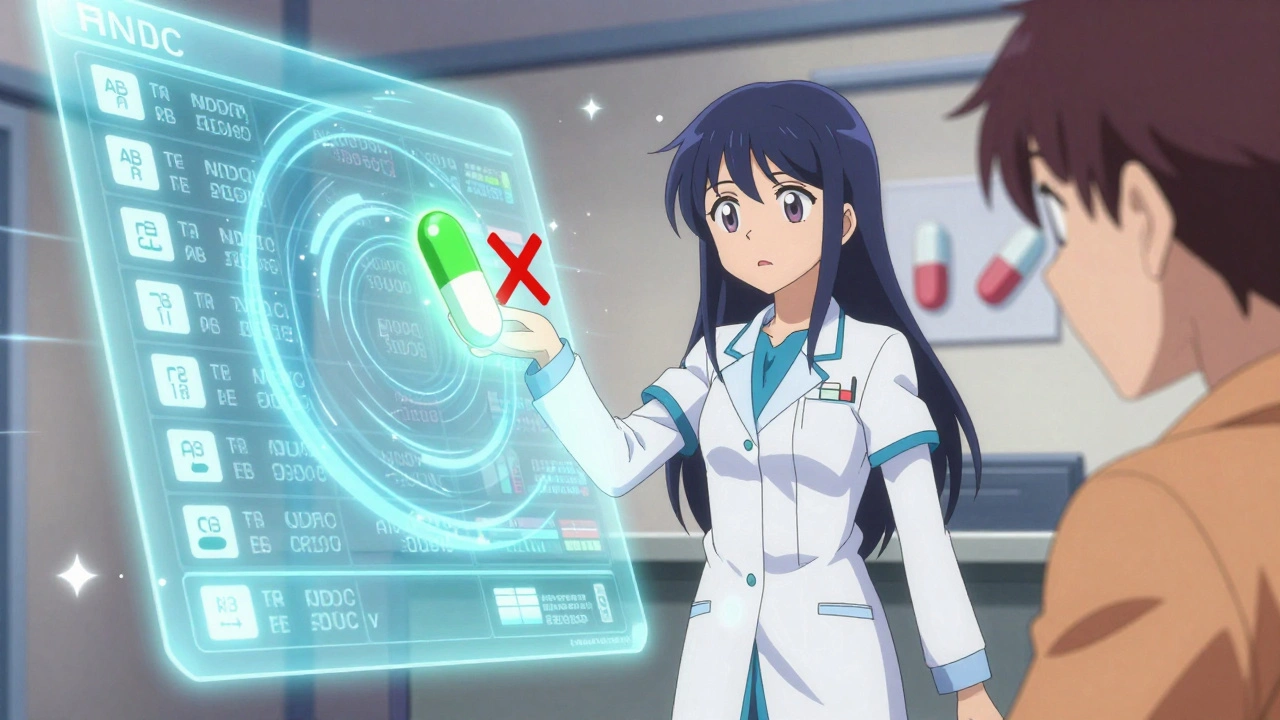
Generic vs Brand Identification in Pharmacy Systems: Best Practices for Accurate Medication Management
Learn how pharmacy systems distinguish between generic and brand drugs using NDC codes, FDA therapeutic equivalence ratings, and real-time data. Discover best practices to prevent errors, improve patient safety, and reduce costs.
December 1 2025