
Neonatal Withdrawal: Signs, Causes, and What Parents Need to Know
When a baby is born after being exposed to certain medications or substances in the womb, they can go through neonatal withdrawal, a condition where the newborn’s body reacts to the sudden absence of drugs it became dependent on during pregnancy. Also known as neonatal abstinence syndrome, it’s not rare—thousands of babies in the U.S. experience it each year, often linked to opioid use but also tied to antidepressants, benzodiazepines, or even alcohol. This isn’t about bad parenting. It’s about biology. The placenta doesn’t block these substances. If a mother takes a drug regularly, the baby does too—and when birth cuts off that supply, the baby’s nervous system goes into overdrive.
Neonatal abstinence syndrome, the clinical term for drug withdrawal in newborns, shows up in predictable ways: excessive crying, tremors, tight muscles, poor feeding, vomiting, diarrhea, and trouble sleeping. Some babies sweat, have a stuffy nose, or even have seizures. Symptoms usually start within the first 72 hours but can take up to a week to appear, depending on the drug. Opioid exposure in infancy, the most common cause of neonatal withdrawal, tends to last longer—sometimes weeks—while withdrawal from shorter-acting drugs like benzodiazepines may resolve faster. It’s not just about the drug, though. Dose, timing, how long the mother used it, and even the baby’s genetics all play a role.
Doctors don’t just watch for symptoms—they score them. The Finnegan scale is used in hospitals to track how bad the withdrawal is, and based on that score, some babies need medicine to ease the process. Methadone, morphine, or buprenorphine are sometimes given in tiny, controlled doses and slowly tapered. Others just need quiet, dim lights, swaddling, and frequent feedings. Breastfeeding, when safe and supported, often helps. The goal isn’t to punish the baby for what happened before birth—it’s to help their body reset without trauma.
What’s missing from most conversations? Support for the mother. Neonatal withdrawal doesn’t happen in a vacuum. Many mothers struggling with addiction face stigma, lack of access to care, or fear of child services. Treating the baby means treating the whole family. Medication-assisted treatment during pregnancy, counseling, and community support make a huge difference—not just for the baby’s health, but for long-term bonding and development.
Below, you’ll find real-world guides on how this condition is managed, what medications are involved, how hospitals track it, and what families need to know to get through it. These aren’t abstract theories—they’re tools used in clinics and NICUs every day. Whether you’re a parent, a caregiver, or just trying to understand what’s happening, this collection gives you the facts without the jargon.
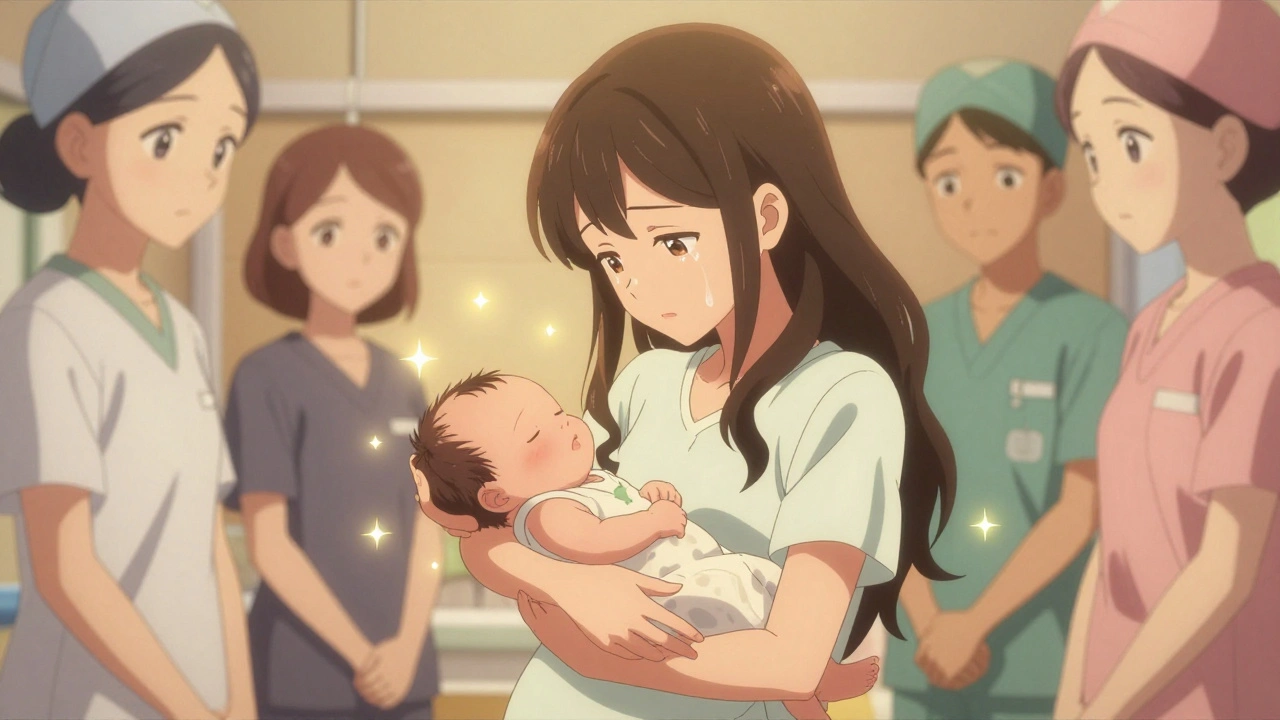
Opioids During Pregnancy: Risks, Withdrawal, and What You Need to Know
Opioids during pregnancy require careful medical management. Learn the risks of withdrawal, how medication-assisted treatment helps, what to expect after birth, and why stigma shouldn't stand in the way of care.
December 1 2025