
NDC Codes: What They Are and Why They Matter for Drug Safety
When you pick up a prescription, the tiny numbers on the bottle aren’t just random—they’re your drug’s NDC code, a unique 10- or 11-digit identifier assigned by the FDA to track every medication sold in the United States. Also known as National Drug Code, it’s the barcode of your medicine—linking the brand, dosage, manufacturer, and package size to a single digital fingerprint.
NDC codes are the backbone of drug safety systems. They let pharmacies, hospitals, and the FDA trace a pill from the factory to your hands. If a batch is recalled, NDC codes pinpoint exactly which bottles to pull. If a counterfeit drug shows up, regulators use these codes to find the source. Even your insurance company uses them to process claims correctly. Without NDC codes, tracking a single pill in a sea of millions would be impossible.
They’re not just for professionals. You can look up any NDC code online to confirm you got the right drug, check its manufacturer, or verify if it’s been recalled. If you’ve ever wondered why your generic pill looks different from last month, the NDC code tells you if it’s the same active ingredient from a different maker. It’s how the system ensures you’re not getting a fake version of your blood pressure pill or a mislabeled insulin vial.
Related entities like drug serialization, the process of assigning unique identifiers to each package to prevent counterfeiting, and DSCSA, the federal law requiring electronic tracking of drugs through the supply chain rely entirely on accurate NDC data. Even when pharmacists swap brand drugs for generics under presumed consent laws, the NDC code ensures the substitute is therapeutically equivalent. If you report a fake pill to the FDA, your NDC code is the first thing they need to act.
What you’ll find below is a collection of real-world stories and rules that show how NDC codes quietly protect your health every day—from how the FDA inspects imported drugs to how authorized generics are labeled to avoid confusion. You’ll learn how to spot a mismatched NDC, why some drugs get flagged during import, and how the system catches dangerous errors before they reach you. These aren’t technical manuals. They’re practical guides written for people who just want to know their medicine is safe.
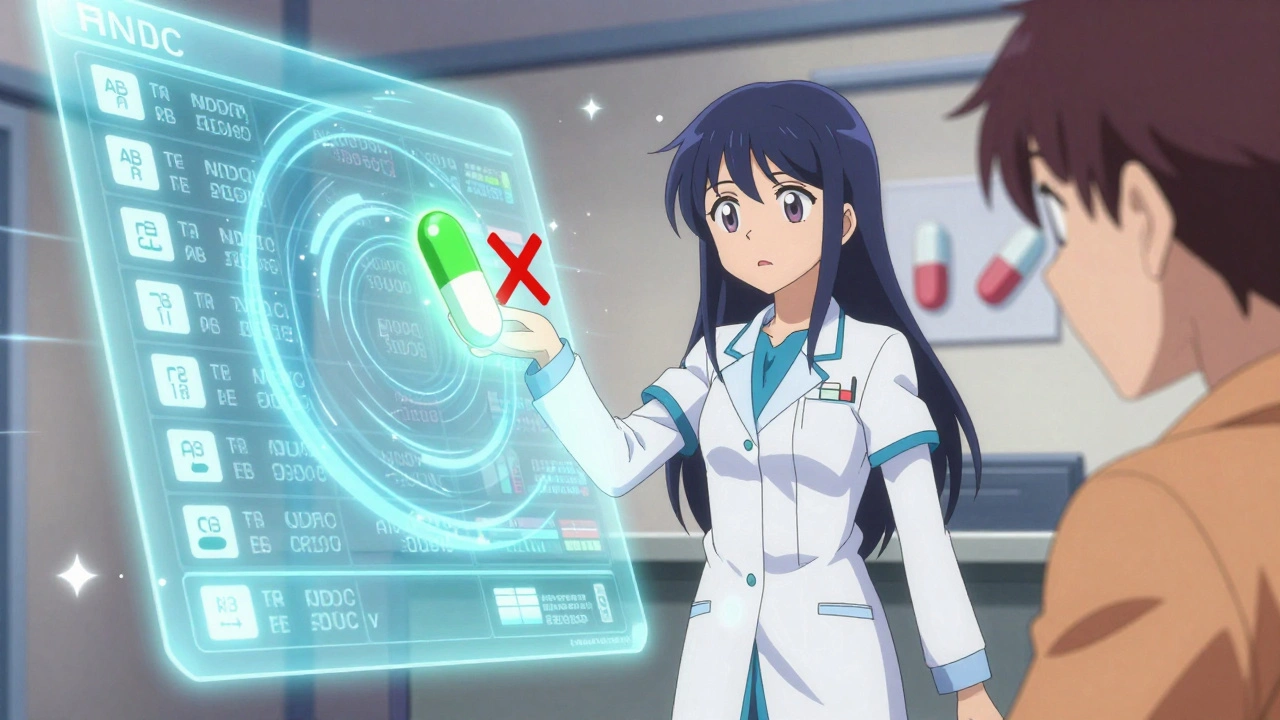
Generic vs Brand Identification in Pharmacy Systems: Best Practices for Accurate Medication Management
Learn how pharmacy systems distinguish between generic and brand drugs using NDC codes, FDA therapeutic equivalence ratings, and real-time data. Discover best practices to prevent errors, improve patient safety, and reduce costs.
December 1 2025