
When someone overdoses on opioids, time isn’t just important-it’s everything. Breathing slows. Then stops. Brain damage starts in under four minutes. And if no one acts, death follows. But here’s the truth: naloxone can bring someone back from the edge-if you know how to use it.
What Happens During an Opioid Overdose?
Opioids-like heroin, oxycodone, fentanyl, or even prescription painkillers-bind to receptors in the brain that control breathing. When too much enters the system, those receptors get overloaded. The brain forgets to tell the lungs to breathe. Oxygen drops. Skin turns blue, gray, or ashen. The person doesn’t wake up, no matter how hard you shake them. Their lips and fingertips turn cold. They might make a wet, gurgling sound-like they’re drowning in their own saliva. This isn’t just sleep. This is respiratory failure.Fentanyl is the biggest threat today. It’s 50 to 100 times stronger than morphine. Illicit drugs sold as heroin or oxycodone often contain fentanyl without the user’s knowledge. In overdose cases across the U.S. and Canada, fentanyl is found in 60% to 80% of samples. A single grain of salt-sized amount can kill. That’s why overdoses happen so fast-and why so many people die before help arrives.
How to Spot an Opioid Overdose
You don’t need medical training to recognize the signs. Look for these three key things:- Unresponsive: Shout their name. Shake their shoulders hard. If they don’t move or open their eyes, they’re in trouble.
- Abnormal breathing: Are they taking fewer than 12 breaths a minute? Or worse-less than one breath every 5 seconds? That’s not normal. Normal is 12 to 20 breaths per minute.
- Cyanosis: Lips, fingernails, or skin turning blue, purple, or gray. For people with darker skin, the color change might look ashen or gray, not blue.
Other signs include pinpoint pupils (very small black dots in the center of the eyes), cold and clammy skin, and gurgling or snoring sounds. These aren’t signs of being drunk. They’re signs of dying.
Don’t confuse this with stimulant overdoses. Cocaine or meth overdoses look totally different: fast heartbeat, high fever, seizures, agitation. Naloxone won’t work on those-but it also won’t hurt. If you’re unsure, give it anyway.
What Is Naloxone and How Does It Work?
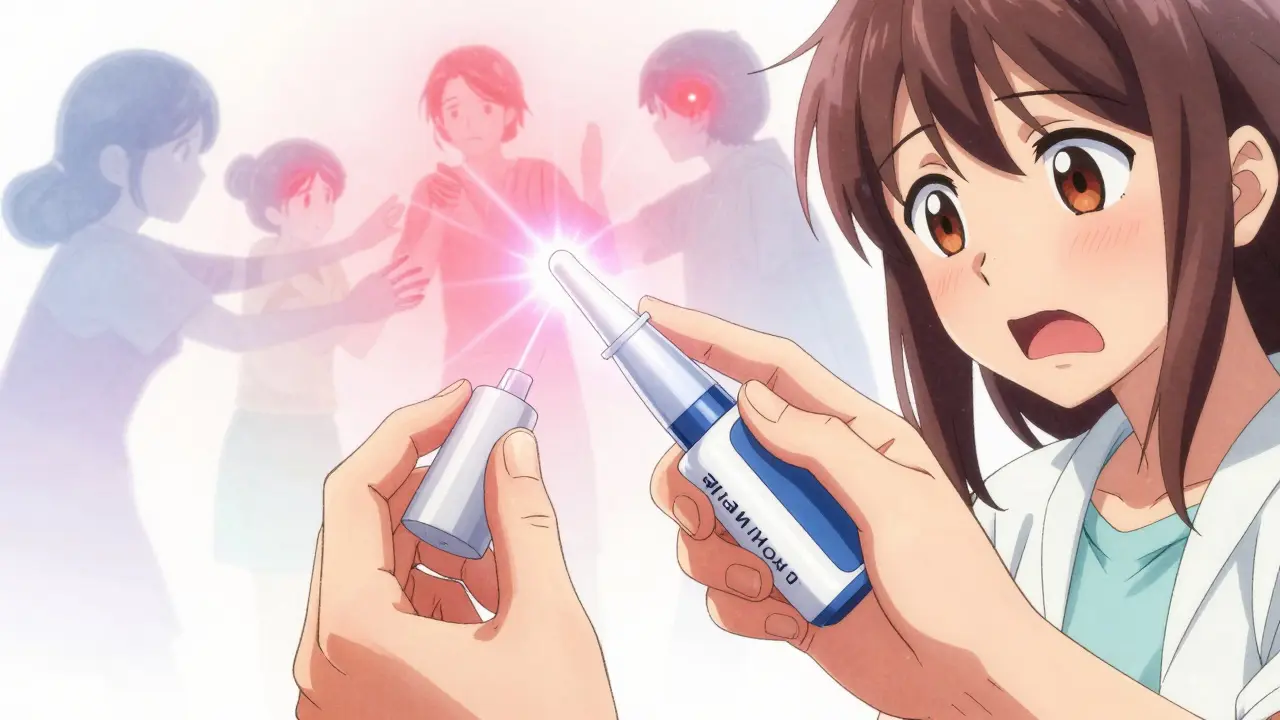
Naloxone is a medication that blocks opioids from binding to brain receptors. It doesn’t get you high. It doesn’t work on alcohol, benzodiazepines, or stimulants. It only reverses opioids. And it works fast.First approved by the FDA in 1971, naloxone is now available as a nasal spray (like Narcan or generic versions) or an auto-injector (like Evzio). The nasal spray is the most common today-it’s easy, no needles, and works in under 5 minutes. Each spray delivers 4 milligrams of naloxone. One spray goes in one nostril. If there’s no response after 2 to 3 minutes, give a second spray in the other nostril.
Why two sprays? Because fentanyl is so strong, one dose often isn’t enough. Studies show that up to 40% of fentanyl overdoses require a second dose. Naloxone lasts 30 to 90 minutes. Fentanyl can last 3 to 6 hours. That means the person can slip back into overdose after waking up. That’s why you must stay with them until emergency help arrives.
How to Respond: The Four-Step Protocol
There’s a simple, proven sequence. Follow it every time:- Recognize the signs: Unresponsive, slow or no breathing, blue or gray skin.
- Call emergency services: Dial 911 (or 000 in Australia) immediately. Don’t wait. Don’t hesitate. Say: “I think someone is overdosing on opioids.”
- Administer naloxone: Use the nasal spray. One spray in one nostril. If you have two sprays, keep the second ready.
- Give rescue breathing and stay with them: Tilt their head back, pinch the nose, give one breath every 5 seconds. Watch for chest rise. Keep doing this until they start breathing on their own-or help arrives.
Rescue breathing is critical. Naloxone restores the urge to breathe-but it doesn’t give oxygen. If the brain is starved of oxygen for too long, even a successful reversal can lead to permanent damage. One breath every 5 seconds is enough. Don’t overdo it.
What to Do After Giving Naloxone
Many people think: “They woke up. I’m done.” That’s dangerous.Naloxone wears off faster than most opioids. The person can slip back into overdose. That’s why you must:
- Stay with them until paramedics arrive.
- Keep them on their side (recovery position) if they’re breathing on their own. This prevents choking if they vomit.
- Don’t put them in a bath, give them coffee, or try to “walk it off.” These are myths-and they can kill.
- Even if they seem fine, they need hospital care. Overdose can cause fluid in the lungs (pulmonary edema) or heart issues.
And yes-calling 911 is still the right thing, even if they’re using illegal drugs. Good Samaritan laws in all Canadian provinces and 47 U.S. states protect people who call for help during an overdose. You won’t get arrested for possession if you’re trying to save a life.
Where to Get Naloxone and How to Store It
In the U.S., naloxone is available without a prescription at most pharmacies. Prices range from $25 to $130 per kit. Generic nasal sprays now cost about 40% less than brand-name Narcan. In Australia, naloxone is available through community harm reduction programs and some pharmacies under a pharmacist’s supervision.Store naloxone at room temperature. Don’t leave it in a hot car or direct sunlight. Heat above 40°C (104°F) can break it down. Check the expiration date. Expired naloxone still works better than nothing-but replace it when you can.
Practice with a trainer device. Many organizations, like Next Distro and the National Harm Reduction Coalition, offer free training videos and practice sprays. YouTube tutorials have been viewed over 1.2 million times. People who practice are more likely to act in real emergencies.
Why Naloxone Alone Isn’t Enough
Naloxone saves lives-but it doesn’t fix the crisis. Every year, over 87,000 people in the U.S. die from opioid overdoses. In Canada, over 8,000 died in a single year. Naloxone distribution has prevented an estimated 27,000 deaths annually since 2019. That’s huge.But without access to treatment-like methadone, buprenorphine, or counseling-people keep coming back to the edge. Dr. Nora Volkow of the National Institute on Drug Abuse says naloxone is a lifeline, not a solution. The real fix is treating addiction as a health issue, not a crime.
That’s why experts now recommend co-prescribing naloxone with any opioid prescription over 50 morphine milligram equivalents per day. Those patients are nearly 9 times more likely to overdose. Naloxone should be as common as a painkiller prescription.
Real Stories, Real Impact
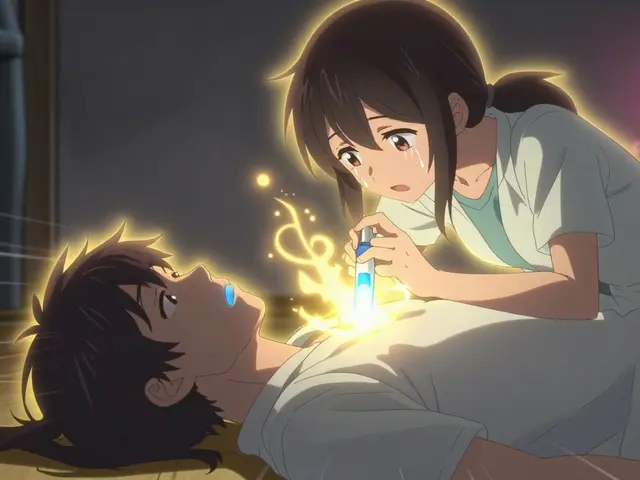
One Reddit user in Massachusetts saved three lives in 2022 using naloxone. The first time, it took four minutes after the spray for the person to start breathing again. The second time, they needed two doses because the heroin was laced with fentanyl.In Texas, a woman used Narcan on her brother after he stopped breathing. He woke up coughing 90 seconds later. The EMTs told her: “Another two minutes and he wouldn’t have made it.”
These aren’t rare miracles. They’re repeatable outcomes. Naloxone works. But only if someone is ready to use it.
What You Can Do Today
You don’t have to be a doctor. You don’t have to be a first responder. You just have to be willing to act.- Learn the signs of overdose. Keep them in mind.
- Find out where to get naloxone near you-pharmacies, community centers, needle exchanges.
- Carry a kit. Keep one in your car, your bag, your home.
- Watch a 10-minute training video. Practice with a trainer spray.
- Talk to someone you care about. Ask if they’ve ever used opioids. Offer to help them get naloxone.
Overdose doesn’t happen to “other people.” It happens to neighbors, coworkers, siblings, friends. And if you know what to do, you could be the reason they’re still here tomorrow.
Can naloxone harm someone if they didn’t take opioids?
No. Naloxone only works on opioid receptors. If someone hasn’t taken opioids, it has no effect. It won’t make them sick, won’t cause withdrawal, and won’t harm them. If you’re unsure whether opioids are involved, give naloxone anyway. It’s safe.
How many doses of naloxone might I need for a fentanyl overdose?
Fentanyl is extremely potent, and one dose of naloxone often isn’t enough. Experts recommend giving a second dose after 2 to 3 minutes if the person isn’t breathing normally. Some cases require three or more doses. Always keep a second kit ready if you suspect fentanyl involvement.
Is naloxone available without a prescription in Australia?
In Australia, naloxone is available without a prescription at pharmacies under a pharmacist’s supervision. Many community health centers and needle exchange programs also provide it for free. You don’t need a doctor’s note-just ask.
What should I do if the person vomits after naloxone?
Turn them onto their side into the recovery position. This keeps their airway clear and prevents choking. Don’t try to wipe their mouth or force them to sit up. Keep monitoring their breathing until help arrives.
Can I give naloxone to a child or teenager?
Yes. Naloxone is safe for all ages, including children and teens. The dose doesn’t change based on weight. One nasal spray (4mg) is the standard dose for anyone over 1 year old. It’s not a risk-it’s a lifesaver.
How long does it take for naloxone to work?
Naloxone nasal spray usually starts working within 2 to 5 minutes. Breathing should improve within that time. If there’s no change after 3 minutes, give a second dose. Don’t wait longer than that-start rescue breathing immediately.
Why do I need to call emergency services even if they wake up?
Naloxone wears off faster than most opioids. The person can overdose again. They may also have fluid in the lungs, heart problems, or brain injury from lack of oxygen. Only medical staff can check for these complications. Never assume they’re out of danger just because they woke up.
What if I’m scared to call 911 because of immigration status or a criminal record?
Good Samaritan laws in most places protect people who call for help during an overdose. Police won’t arrest you for drug possession if you’re trying to save a life. Even if you’re unsure, call anyway. Emergency responders are trained to prioritize medical care over enforcement. A life is worth more than fear.
Janette Martens
December 30, 2025 AT 11:19Marie-Pierre Gonzalez
December 31, 2025 AT 19:10Louis Paré
December 31, 2025 AT 20:45Samantha Hobbs
January 1, 2026 AT 08:28Nicole Beasley
January 3, 2026 AT 02:46Mimi Bos
January 3, 2026 AT 08:13Payton Daily
January 3, 2026 AT 22:01Kelsey Youmans
January 5, 2026 AT 07:17oluwarotimi w alaka
January 5, 2026 AT 12:40